Is Davao safe for tourists? Locals usually answer with a calm yes—and then a practical list of habits that keep it that way. Davao City has spent years building a reputation for order: visible rules on smoking and liquor sales, a culture of reporting trouble, and neighborhoods where families walk after dinner. This guide explains what Dabawenyos want visitors to know, how safety feels on the ground, and why a self-drive car from Davao Airport (DVO) can make a careful trip even smoother.
Nothing here replaces your own judgment or official advisories. Treat it as local context for first-timers who want clear expectations before they collect the keys from Davao Airport Car Rentals.
The short answer locals give
Compared with many large Philippine cities, Davao feels predictable. Tourists routinely visit People’s Park at night, eat at Roxas Night Market, and drive to Malagos or Samal without drama. Violent street crime aimed at visitors is not the everyday story residents tell. What locals emphasize instead is respect for ordinances, common-sense property care, and attention while driving.
If you are used to late-night party districts elsewhere, recalibrate: Davao’s nightlife is quieter, and that quieter rhythm is part of why many families choose it.
What “safe” looks like day to day
Public spaces and parks
People’s Park, seaside promenades, and mall areas are full of locals in the evening. You will see security presence in malls and major establishments. Keep valuables zipped and phones secured in crowds the same way you would in any city—safety culture reduces risk; it does not erase pickpocketing entirely.
Smoking and liquor rules
Davao is known for strict anti-smoking rules in many public places and regulated liquor-sale hours. Locals are not joking when they warn visitors. Fines are real. Read notices in malls, parks, and restaurants. If you rent a car, that also means no smoking inside the vehicle if your agreement forbids it—and most do.
Traffic and road behavior
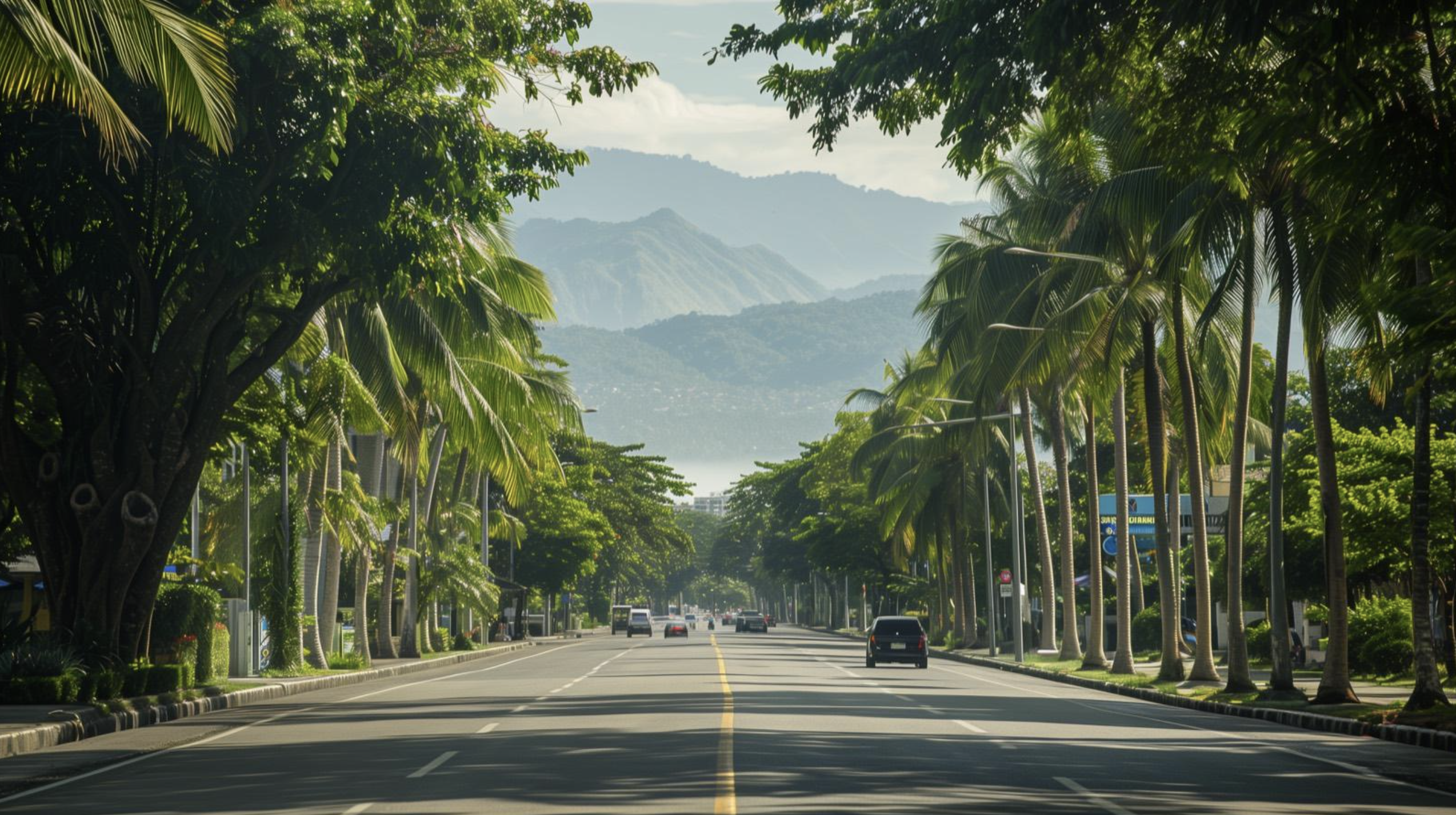
When people ask whether Davao is safe for tourists who drive, locals talk about discipline more than danger. Obey speed limits, watch motorcycle lanes, and expect checkpoints on some routes. City ordinances and national traffic laws both apply. A defensive driving style fits the local mood better than aggressive lane weaving.
Neighborhoods and trip patterns visitors use
Lanang, downtown / Poblacion-adjacent hotel belts, Matina, and airport-side areas host most short-stay tourists. Day trips to the Philippine Eagle Center, Eden Nature Park, and Samal Island are standard. Stick to well-reviewed resorts and daylight barge crossings if it is your first time. Night driving on unfamiliar highland roads is possible but less relaxing—plan returns before you are tired.
Why a rental car can increase comfort (when used carefully)
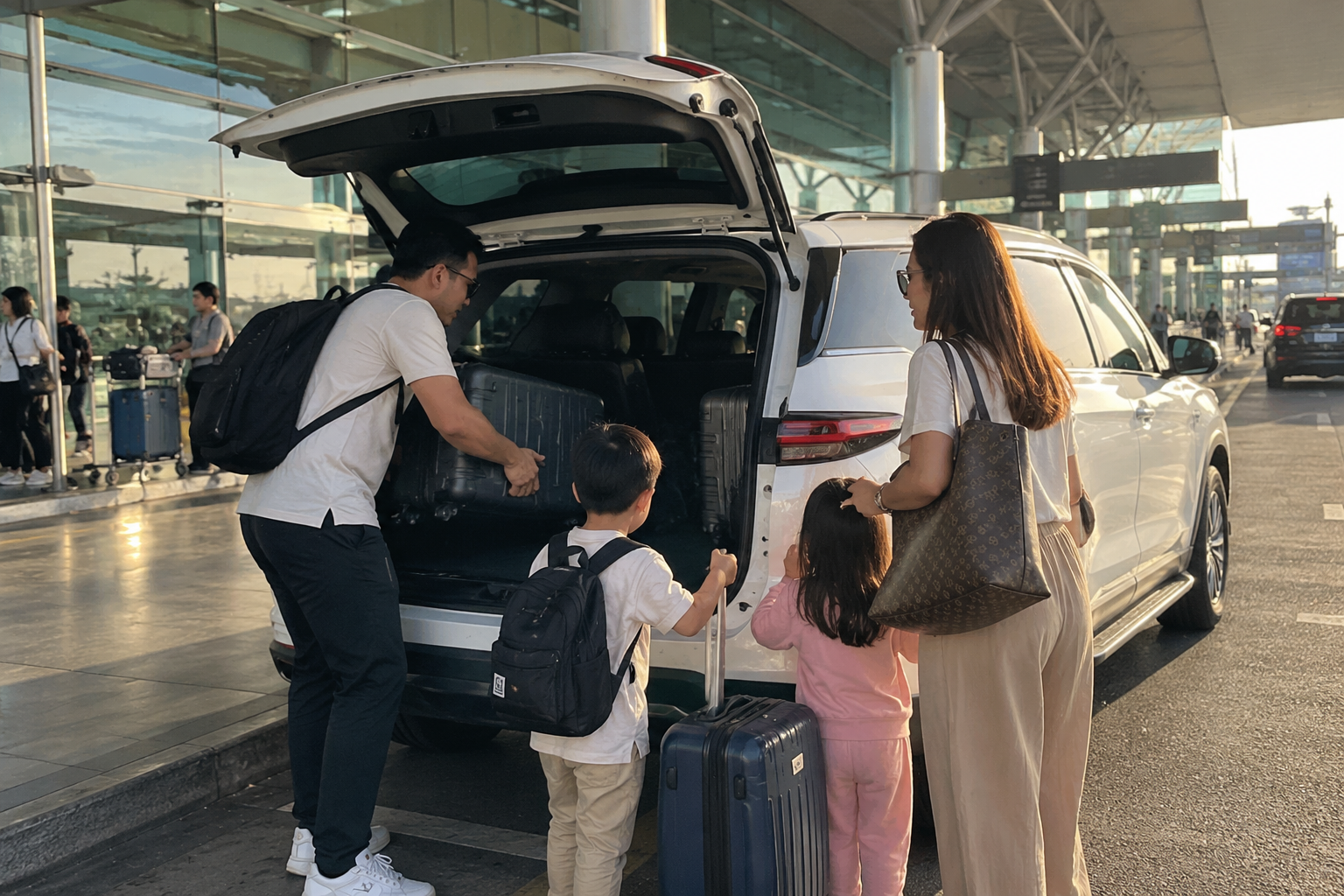
Ride-hailing and taxis work in the city proper. A car shines when you chain highland stops, carry pasalubong, travel with kids, or time a Samal barge. You control departure times and avoid waiting in unfamiliar spots after dark. Choose a well-maintained automatic from Fleet & Rates, photograph the car at pickup, and store bags out of sight when you park.
Practical car-safety habits locals expect
- Lock the car every stop, even quick ones.
- Do not leave phones or laptops visible on seats.
- Use official parking at malls, parks, and resorts when you can.
- Keep a digital copy of your license, rental contract, and emergency numbers.
- Confirm barge rules and last trip times before you commit to Samal with a vehicle.
Natural hazards and weather—not crime—are the underrated risks
Mindanao weather can shift from bright to heavy rain quickly. Flash flooding on low streets and slippery highland curves matter more to most careful tourists than sensational headlines. Check forecasts, slow down in rain, and postpone beach or waterfall plans when storms build. Volcanic and seismic awareness is part of Philippine life generally; follow official channels if alerts appear during your stay.
Health, money, and tourist common sense
Drink sealed water if your stomach is sensitive. Choose busy carinderias with high turnover. ATMs exist in malls; avoid counting cash in public. Hospitals and clinics are available in the city—ask your hotel which one they recommend for non-emergencies. For emergencies, local numbers and hotel front desks are the fastest first call.
Solo travelers, families, and women visitors
Solo travelers and families visit Davao year-round. Women travelers often comment on how normal it feels to be out in malls and parks in the evening. Still use standard precautions: share your live location with someone you trust, keep ride details, and skip isolated beaches at night. If you self-drive, daytime highland trips and well-lit parking are the comfortable default.
What official and local sources emphasize
City hall communications and local news often highlight ordinance enforcement—smoking, liquor, traffic—more than tourist crime waves. That focus tells you something about local priorities. Read updates on davaocity.gov.ph when you want primary information on rules that affect visitors. For tourism orientation, the Department of Tourism’s Mindanao materials are a useful external reference.
A safe first 48 hours from DVO
- Hour 0–2: Land, buy a local SIM if needed, pick up your car at DVO, photograph the vehicle, set offline maps.
- Afternoon: Easy city circuit—mall, People’s Park, early dinner. Unpack and rest.
- Day 2: One major out-of-town goal only (Eagle Center / Malagos or Samal), returning with daylight margin.
That pacing matches how locals host relatives from Manila or abroad: unhurried, fed, and home before everyone is exhausted.
FAQ: is Davao safe for tourists?
Is Davao safe to walk at night?
Busy areas like malls, People’s Park environs, and well-lit hotel districts are commonly walked by locals at night. Avoid dark shortcuts and empty lots. If you are unsure, drive or ride-hail the short hop.
Is it safe for foreigners to self-drive?
Yes, many do. Carry a valid license (and international permit if required for your nationality), follow speed limits, and ask your rental team about current checkpoint patterns. Start with city driving before highland night runs.
What should I avoid?
Skip illegal drugs entirely, do not smoke where prohibited, do not argue through checkpoints, and do not leave valuables in a parked car in plain view. Those rules matter more here than memorizing a long list of “no-go” tourist districts.
Are beaches and Samal safe?
Established resorts and day beaches are regular local destinations. Swim only in recommended areas, watch currents, and time barge trips conservatively. Safety on the water is a swimming-skill issue as much as a security issue.
Bottom line from a local point of view
So, is Davao safe for tourists? For the vast majority of visitors who follow local rules, stick to known itineraries, and use ordinary big-city caution, yes. The city’s famous discipline is not marketing fluff—you will feel it in parks, malls, and traffic enforcement. Pair that environment with a reliable self-drive plan and you get both freedom and structure.
Pick up your car at Davao Airport (DVO) and drive there yourself. See available cars on Fleet & Rates and book via davaoairportcarrentals.com. A calm city is even better when your schedule—and your doors—lock on your terms.